I always love running object handling activities with visitors of all ages. People enjoy visiting museums because of that powerful feeling associated with seeing real historical objects. Maybe the objects were part of their past, are associated with a famous event or person, or showcase the amazing skill of an artist or craftsmen. But if seeing the objects is amazing, then being able to touch them is the real jewel in the crown. It is one of the reasons museum staff and volunteers love working with collections so much, and it is so rewarding when visitors are able to share in this experience too.
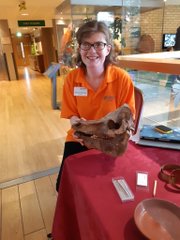
This autumn I started volunteering back at Chelmsford Museum, where I was working before I left to have my daughter. I help run the weekend object handling tables, and this week we had a number of archaeological objects. What is lovely about the objects is that they all connect to displays around the museum, so visitors are able to (literally) feel a connection to the objects they have seen behind glass. The items this week included Roman hair pins, coins and hypocaust tile (a tile from a Roman underfloor heating system), as well as a Bellarmine Jug (jugs from the 1500s and 1600s with the face of Cardinal Bellarmine from the Catholic church on), boars head, and a replica of the Bronze Age gold diadem found in Danbury in 2018. At 4000 years old, this is probably the oldest metalwork found in the county, and would have been worn by a wealthy and powerful person. The headband is now tightly wound, but on the handling table we had a replica that visitors could try on to see the original effect.


 Jennifer Rowland